Professional post construction cleaning Utah County provides a thorough, multi-phase deep clean that removes fine dust, construction debris, and residue from every surface of a newly built or renovated home. This process typically includes sanitizing fixtures, cleaning interior air vents, and detailing flooring to ensure the property is completely safe and move-in ready.
The scaffolding is gone, the paint is dry, and the contractors have finally cleared their tools, yet your new Utah County home feels far from ready. You are likely facing the relentless layer of fine, grey dust that manages to coat every surface, infiltrate HVAC systems, and linger long after the final nail is driven. This residue is not just an aesthetic nuisance; it represents a significant health and maintenance hurdle that standard residential cleaning simply cannot address. At Juab Cleaning, we understand that true move-in readiness requires a specialized, scientific approach to decontamination. In this guide, we will explore the critical differences between standard and post construction cleaning, the specific risks of silica dust in our dry climate, and the precise timeline for when you can safely settle into your space.
The Difference Between a Standard Clean and Post Construction Cleaning
A standard residential clean focuses on managing organic dust, pet dander, and daily oils to maintain a hygienic environment. Conversely, post construction cleaning Utah County involves a specialized recovery process designed to remove industrial residues that a typical vacuum or mop cannot handle. New builds and major renovations leave behind fine particulates such as respirable silica, drywall dust, and sawdust, alongside stubborn adhesive residues from protective films on windows and appliances.
Professional professional residential and commercial cleaning services approach this through three distinct phases:
The Rough Clean: This initial stage focuses on the removal of large debris, leftover materials, and the first pass of vacuuming to clear the majority of the workspace.
The Deep Clean: This is the most labor intensive phase, requiring detailing of light fixtures, switches, baseboards, and the interior of all cabinetry to eliminate the heavy layer of construction dust.
The Final Touch: A high level inspection and wipe down performed after the finest particles have settled out of the air to ensure a move-in ready finish.
Because these industrial materials are abrasive and can impact indoor air quality, a specialized approach is necessary to transition a construction site into a safe, livable home. If you are nearing completion on a project in Provo or the surrounding areas, you can contact Juab Cleaning for a custom quote to ensure every surface is handled with the correct industrial techniques.
Why Construction Dust in Utah County is a Unique Challenge
The difficulty of post construction cleaning Utah County is compounded by our specific geography and climate. In the high-desert environment of the Wasatch Front, low humidity levels mean that fine particulates lack the moisture needed to settle quickly. Instead of dropping to the floor where they can be easily swept, these microscopic particles remain suspended in the air for extended periods, circulating through newly finished spaces long after contractors have packed up.
Additionally, homes near Utah Lake contend with high concentrations of mineral-heavy lakebed dust. When this natural silt mixes with industrial drywall and masonry debris, it creates a persistent, abrasive film that can scratch high-end finishes if wiped away with standard household tools. This is why our professional residential and commercial cleaning services prioritize HEPA-level filtration to capture these local elements before they settle back onto surfaces.
The timing of your renovation also plays a critical role due to Utah’s seasonal inversions. During the winter months, when cold air traps pollutants in the valley, indoor air quality becomes paramount. If construction debris, sawdust, or silica are left inside your HVAC system during an inversion cycle, the furnace will continuously recirculate those irritants through the home. Without a targeted cleaning strategy that addresses the ventilation system and utilizes specialized equipment to pull dust out of the air, homeowners risk breathing in a concentrated mixture of construction byproduct and trapped valley pollutants. Managing these local environmental factors is what transforms a simple wipe down into a necessary health intervention for your household.
Is Breathing Construction Dust Safe: Understanding Silica and Health Risks
Inhaling construction dust is a legitimate health concern that goes far beyond the inconvenience of a dirty floor. The most significant risk comes from respirable crystalline silica, a microscopic mineral found in common building materials like stone, mortar, and concrete. When contractors sand drywall joints, cut ceramic tiles for a kitchen backsplash, or grind concrete in a new basement, they release millions of these tiny, jagged particles into the air. Unlike common household dust, silica particles are heavy enough to settle but small enough to be inhaled deep into the lungs, where they can cause permanent irritation or long term respiratory issues.
Effective removal requires more than just a broom or a standard shop vacuum. While a high volume shop vac is excellent for sawdust and nails, its filtration system often fails to trap fine particulates. Most standard filters allow particles under 10 microns to pass straight through the exhaust and back into your living space. Juab Cleaning utilizes high efficiency particulate air (HEPA) vacuums designed to capture 99.97% of particles as small as 0.3 microns. This level of filtration is essential for professional residential and commercial cleaning services because it ensures that the dust is actually removed from the environment rather than simply redistributed.
Prioritizing a professional deep clean is a vital health requirement for families, especially those with children or members with asthma. Eliminating these industrial irritants ensures that the air you breathe in your new or renovated space is as clean as the surfaces look. To secure a move-in ready environment that prioritizes your family's safety, you can contact Juab Cleaning for a custom quote and a detailed health focused cleaning plan.
How Long Does It Take for Construction Dust to Settle After a Remodel
The health risks associated with silica make it clear that removal must be thorough, but it must also be timed correctly. A common mistake in projects across Provo and Spanish Fork is attempting a final wipe down too soon after the contractors depart. Gravity works quickly on larger debris like sawdust or drywall scraps, which usually settle within a few hours. However, the ultra-fine particulates that create a persistent haze in the room can remain suspended for days or even weeks if the air is stagnant. These microscopic particles are easily recirculated by footsteps or minor air currents, making premature cleaning efforts largely ineffective.
To ensure your post construction cleaning Utah County is truly effective, we advise homeowners to allow for a settling period of at least 48 to 72 hours after the final contractor has left the site. This window gives the smallest airborne particles time to land on flat surfaces where our professional residential and commercial cleaning services can capture them permanently. If you rush the process, you will likely find a fresh layer of dust on your countertops and baseboards just 24 hours after you thought the job was finished. Waiting those extra few days allows the indoor environment to stabilize, ensuring that the final stage of cleaning provides a lasting, move-in ready result.
The Ultimate After Renovation Cleaning Checklist
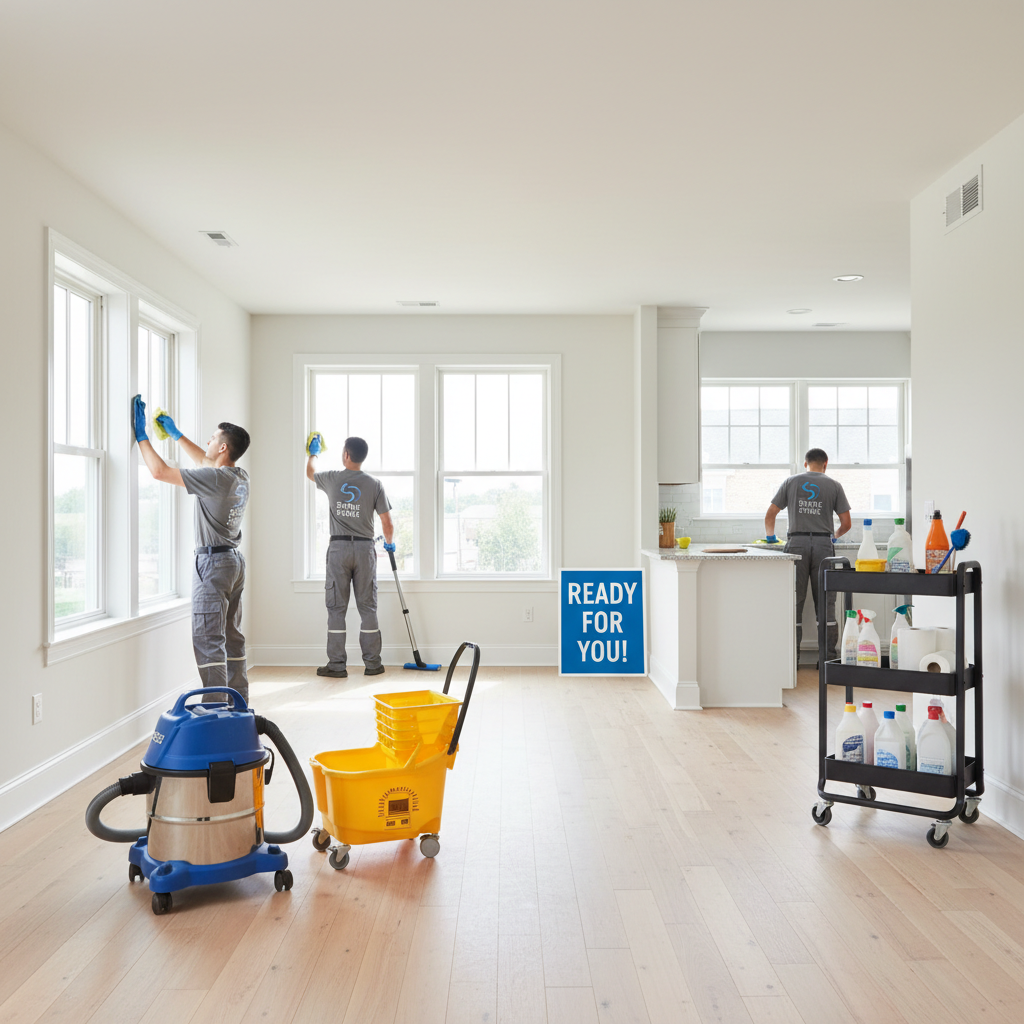
Once the 72-hour settling window has passed, the physical cleaning process can begin. A successful post construction cleaning Utah County project requires a systematic, top down approach to ensure that gravity does not undo your hard work. This checklist outlines the essential steps our professional residential and commercial cleaning services use to transition a site from a dusty shell to a finished home.
Phase 1: High-Level and Vertical Surfaces
Start at the highest point in each room to catch fine particulates as they fall. Dusting from the top ensures that any displaced particles are caught in later phases.
Wipe down all ceiling fans and individual blades.
Dust the tops of crown moldings, door frames, and window casings where saw dust often collects.
Wipe down walls with a damp microfiber cloth to remove static-charged drywall dust.
Clean light fixtures, recessed "can" lights, and chandeliers.
Sanitize light switches and outlet covers, which often harbor a layer of fine gray grit.
Phase 2: Ventilation and Airflow
Indoor air quality is dependent on clearing the hidden reservoirs of dust within the HVAC system. If left unaddressed, your furnace will redistribute contaminants the moment it is turned on.
Remove vent covers and vacuum the interior of the duct openings using a brush attachment.
Replace all HVAC filters with high-quality pleated versions to trap remaining airborne debris.
Wipe down the exterior of all return air registers.
Phase 3: Cabinetry and Precision Detailing
Construction dust finds its way into every sealed crevice, requiring a focus on internal surfaces that are often overlooked during a standard clean.
Vacuum and wipe the interior of all cabinets and drawers, especially in new kitchens and bathrooms.
Remove manufacturer stickers and adhesive residue from new windows, mirrors, and appliances.
Clean inside the tracks of sliding glass doors and windows.
Detail all hardware, including hinges, knobs, and door pulls.
Scrub baseboards to remove paint overspray or drywall mud splashes.
Phase 4: Comprehensive Floor Restoration
Floors are the final step and often require multiple passes to fully remove the white haze left by fine stone and wood particles.
Perform an initial pass with a HEPA-filtered vacuum on all surfaces to trap microscopic allergens.
Steam clean carpets and upholstery to extract deep-seated particles.
Mop hard floors (tile, LVP, or hardwood) at least three times, changing the water frequently to avoid redistributing the silt.
Following this structured approach ensures no corner is overlooked. If the scope of your renovation feels overwhelming, you can contact Juab Cleaning for a custom quote to have our expert team handle the heavy lifting with specialized equipment.
Eco-Friendly Post Construction Cleaning for Your Family

After ticking off every item on the technical checklist, the final consideration is the chemical footprint left behind. Most new construction materials, such as adhesives, fresh paint, and synthetic carpeting, already release Volatile Organic Compounds (VOCs) into the air through a process known as off-gassing. Introducing harsh industrial solvents or ammonia-based cleaners during a post construction cleaning Utah County project can overwhelm a home's ventilation system, creating a concentration of indoor air pollutants. This is particularly concerning in modern, well-sealed homes in Provo and Spanish Fork where air exchange is tightly controlled.
Juab Cleaning prioritizes eco-friendly solutions to protect your family's respiratory health. We utilize plant-derived surfactants and pH-neutral cleaners that effectively break the static bond of drywall dust without leaving behind synthetic fragrances or caustic residues. For example, citric-acid-based cleaners are often superior for removing mineral films from new windows and countertops without the risks associated with traditional aerosols. By choosing professional residential and commercial cleaning services that value environmental safety, you ensure your newly renovated space is healthy from the first day you move in. To learn more about our green cleaning protocols, you can contact Juab Cleaning for a custom quote tailored to your specific project needs.
Post Construction Cleaning Cost and Value in Utah County
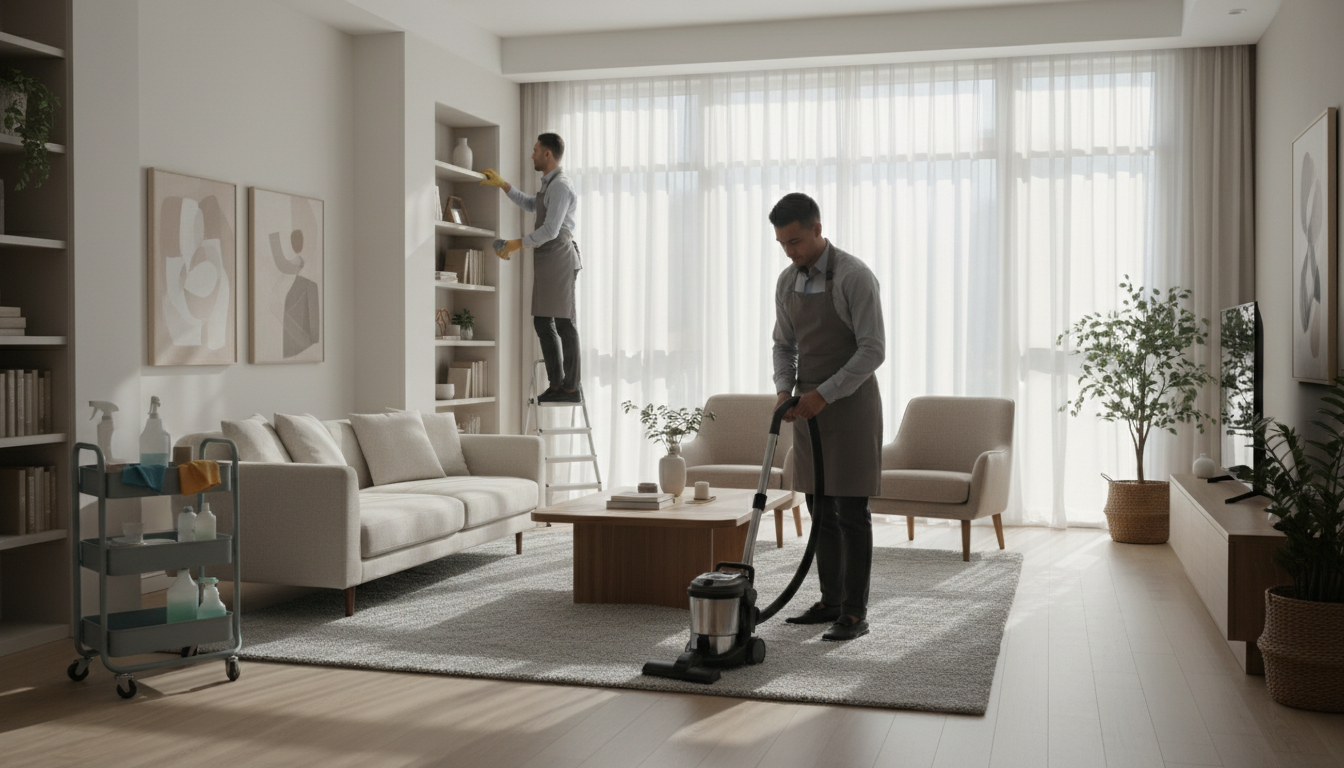
Understanding the cost of post construction cleaning Utah County requires looking beyond a simple hourly rate. Pricing typically fluctuates based on the total square footage and the current state of the property, often categorized by the "roughness" of the site. A home requiring significant debris removal and multiple passes to clear masonry silt will demand a different investment than a light cosmetic remodel.
The true return on investment lies in the time and equipment a homeowner gains. A comprehensive clean for a full-sized home in the valley often consumes 20 to 40 hours of intensive labor when performed by someone without specialized training. By hiring professional residential and commercial cleaning services, you leverage industrial equipment that most residents do not own, such as certified HEPA vacuums that capture microscopic silica and high-powered steamers for sanitizing new surfaces.
For homeowners finishing a basement in Utah, this service represents the final, essential step in transitioning a construction zone into a functional living area. It ensures that your new bedrooms or home theater are actually safe for occupancy. To get an accurate estimate based on your project's unique footprint, you can contact Juab Cleaning for a custom quote and a breakdown of the specific phases required for your property.
Post construction cleaning is the essential final step that turns a chaotic workspace into a safe, breathable home. While handling the fine dust and debris yourself is possible, it is often a very difficult task that requires specialized tools. If you want expert help ensuring every corner of your new Utah County house is spotless, we are ready to step in. You can learn more about our team and commitment to quality to see how we help. We make the transition to your new home simple and clean.