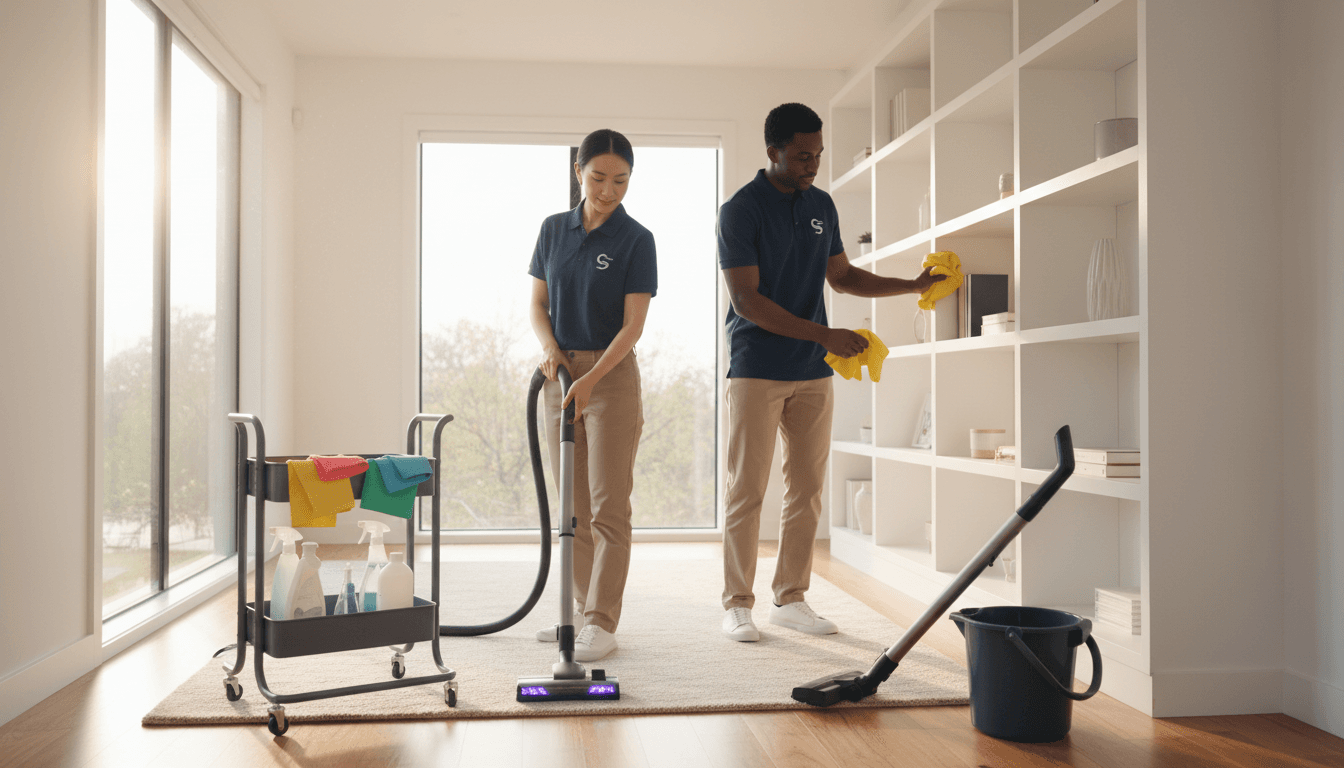
Utah's arid climate and low humidity keep dust particles suspended in the air rather than allowing them to settle, which is the main reason why is my house so dusty Utah. This regional issue is compounded by fine red soil and high construction activity; therefore, regular HVAC maintenance and home sealing are essential for reducing buildup.
You spend your Saturday deep cleaning every surface, yet by Monday morning, a fine layer of gray film has already reclaimed your coffee table and bookshelves. In Utah, this constant battle against dust feels particularly relentless due to our high desert climate, seasonal wind patterns, and proximity to the Great Salt Lake. This persistent buildup is more than a minor aesthetic nuisance; it actively degrades your indoor air quality and can prematurely wear down your home's finishes. In this guide, we will analyze the specific local factors causing rapid particle accumulation and provide a professional room by room strategy to manage it. You will learn how to handle post construction debris, why your air purifier might be failing, and the definitive order of operations for dusting and vacuuming. Our goal is to help you maintain a breathable, pristine environment despite the Utah elements.
The Utah Dust Reality: Why Local Homes Accumulate Particles Faster
Many Utah homeowners spend their weekends cleaning only to find a thin layer of gray film reappearing on surfaces by Monday morning. This constant battle often leads residents to ask, why is my house so dusty Utah? The answer lies largely in the unique geography of the Great Basin. Unlike more humid climates where moisture pulls particles from the air, Utah’s dry desert environment allows dust to remain suspended for extended periods.
In Juab and Utah Counties, seasonal wind patterns carry fine silt and alkaline particles from the surrounding landscape directly into residential neighborhoods. This environmental reality is exacerbated by 10 to 15 percent humidity levels that prevent dust from settling, ensuring it circulates through HVAC systems repeatedly. Beyond the visual frustration, there are legitimate health concerns to consider. Living in a dusty house is unhealthy, as these particles often carry allergens, skin cells, and microscopic pollutants that can irritate the respiratory system and worsen asthma symptoms. While maintaining a baseline cleanliness is difficult in this climate, utilizing professional residential and commercial cleaning services can help mitigate the heavy buildup that standard household tools often miss.
Three Main Reasons Your Utah Home Stays Dusty Every Day
Understanding the persistent layer of film on your furniture requires looking beyond basic housekeeping habits. While general cleaning is important, three specific environmental factors contribute to why is my house so dusty Utah residents often feel like they are fighting a losing battle.
Arid Humidity Levels: The physics of dust change significantly in a desert climate. In many parts of the country, higher humidity levels weigh down particles, causing them to settle quickly where they can be wiped away. In Juab and Utah Counties, humidity frequently drops to between 10 and 15 percent. This dry air allows dust to remain buoyant and airborne for much longer. Instead of settling, these particles circulate through the home, remaining suspended in the breathing zone and moving from room to room with every footstep or draft.
Regional Geography and Development: The source of the debris is often hundreds of miles away. Fine "red dirt" particles from Southern Utah are frequently carried north by high altitude winds, settling into every crevice of homes along the Wasatch Front. Locally, the rapid growth in areas like Lehi, Eagle Mountain, and Nephi creates a constant supply of fine construction silt. This micro-debris is much finer than standard household dust, allowing it to penetrate window seals and door sweeps that would otherwise block larger particles.
The Seasonal Inversion Effect: During winter months, Utah experiences temperature inversions where cold air is trapped near the valley floor by a layer of warmer air above. This meteorological lid keeps particulate matter, including soot and road salt, concentrated at ground level. These microscopic pollutants eventually find their way into residential HVAC systems. Once inside, the furnace blower distributes these concentrated particulates throughout the house, ensuring that even closed rooms accumulate a layer of gray grit. Addressing this level of environmental buildup often requires more than a standard feather duster; it necessitates the specialized tools used in professional residential and commercial cleaning services to effectively reset the home environment.
Why Your House Stays Dusty Even With an Air Purifier
Many Utahns invest in high end HEPA air purifiers, hoping to solve the mystery of why is my house so dusty Utah once and for all. While these units are excellent at capturing microscopic spores and pollen, they often fail to eliminate the visible grit on your surfaces. The primary limitation is that air purifiers only treat suspended dust. In our dry climate, particles remain airborne for a time, but gravity eventually wins. Once dust settles on your upholstery, baseboards, or behind heavy furniture, an air purifier is powerless to remove it. These units can only clean the air that is currently circulating near the intake.
Furthermore, the effectiveness of a purifier is limited by the home's airflow and structural integrity. In many older properties throughout Juab County, leaky ductwork acts as a secondary source of contamination. If your ducts have gaps, they pull unfiltered air from crawlspaces or attics directly into your living areas. This creates a constant stream of new particles that overwhelms a standard portable unit. Standard air purifiers also cannot address the heavy buildup inside your HVAC system, which recirculates silt every time the furnace kicks on. Effective management requires a combination of filtration and the physical removal of settled particles through professional residential and commercial cleaning services, ensuring that the dust isn't just moving around, but is actually leaving the home environment for good.
Room by Room Plan to Eliminate Dust Buildup
Eliminating the persistent film on your furniture requires a tactical response rather than a general wipe down. Because the active outdoor lifestyle in Juab and Utah Counties involves frequent hiking, biking, and park visits, the entryway serves as your first line of defense. Without a systematic plan, fine trail dust migrates from the front door into the deepest corners of your home, contributing to the common frustration of why is my house so dusty Utah residents face daily.
To stop the cycle of sediment, implement this targeted zone checklist:
Room Type | Primary Dust Mitigation Tasks |
|---|---|
Entryways | Shake out heavy-duty coir mats weekly, wipe down outdoor gear, and clean door sweeps. |
Living Areas | Vacuum upholstery with HEPA attachments and damp-wipe electronics and ceiling fans. |
Kitchens | Degrease cabinet tops and refrigerator coils where dust bonds to cooking oils. |
Bedrooms | Launder window treatments and vacuum under bed frames where air remains stagnant. |
This structured approach ensures you are physically removing silt rather than redistributing it. For many local families, maintaining this level of detail is difficult alongside a busy schedule. Utilizing professional residential and commercial cleaning services can reset these zones, making your weekly maintenance significantly more effective. By isolating the source at the entryway and systematically moving through social and private spaces, you break the cycle of accumulation.
Managing Dust in the Kitchen and Dining Areas

In the kitchen, the answer to why is my house so dusty Utah residents find most frustrating involves a combination of environmental silt and aerosolized cooking fats. When you sauté or fry, microscopic oil droplets become airborne and settle on flat surfaces. This creates a sticky film that acts as a magnet for the fine dust circulating through your home. The result is a stubborn residue that standard dusting cannot remove.
Prioritize three often overlooked areas: the tops of upper cabinets, the refrigerator coils, and the range hood filters. Dust accumulating on refrigerator coils forces the motor to work harder, while range hoods that are not degreased regularly allow oily particles to migrate into the dining area.
For these surfaces, stop using feather dusters. In Utah’s 10 to 15 percent humidity, these tools simply flick particles back into the dry air where they remain suspended. Instead, use high quality microfiber cloths. These cloths feature a wedge shaped fiber structure that physically traps both grease and grit rather than redistributing it. If the buildup is already significant, professional residential and commercial cleaning services can provide the deep degreasing necessary to restore these surfaces to a maintainable state.
Reducing Dust Mites and Particles in the Bedroom
While kitchen dust is often bound by grease, bedroom particles are primarily composed of organic matter like skin cells and fabric fibers. In our dry climate, these lightweight materials remain suspended easily, causing many residents to wonder why is my house so dusty Utah even in private sleeping quarters.
Natural prevention starts with your bedding. Wash sheets and pillowcases weekly in water reaching at least 130 degrees Fahrenheit to effectively neutralize dust mites and remove accumulated skin cells. To further reduce the particle load, eliminate "dust collectors" such as stacks of magazines, excessive decorative pillows, or open clothing racks that provide large surface areas for silt to settle.
Utah County bedrooms frequently feature wall to wall carpeting, which acts as a permanent trap for dead skin and outdoor particulates. It is essential to use a vacuum equipped with a certified HEPA filter for all rugs and carpets to ensure fine dust isn't exhausted back into the air. For a comprehensive removal of deep seated allergens, scheduling professional residential and commercial cleaning services provides a level of extraction that standard upright vacuums cannot achieve.
How to Get Rid of Dust in Your House After Construction
For residents in rapidly expanding neighborhoods like Eagle Mountain, Lehi, or Nephi, the source of grit isn't just organic; it is often the residue of a new build or a recent renovation. Construction dust is far more invasive than standard household particles because it consists of microscopic silica, gypsum, and wood fibers. These materials are much finer than skin cells or pet dander, allowing them to hang in the air for days or weeks. If you find yourself asking why is my house so dusty Utah after a recent move or remodel, you are likely dealing with these specific industrial particulates that have settled into the very pores of your home.
Successfully managing how to get rid of dust in your house after construction requires a rigid sequence to prevent redistribution. First, perform a dry extraction using a vacuum equipped with a certified HEPA filter. Standard shop vacuums or household uprights often exhaust fine drywall dust back out the rear of the machine, making the problem worse by dispersing it into the dry air. Once the floors are clear, you must wipe down every vertical surface from top to bottom. This includes the tops of door frames, light fixtures, and the walls themselves, which often hold a static charge that attracts fine silt.
Crucially, avoid running your furnace or air conditioning until the bulk of the debris is removed. The powerful intake of an HVAC system will pull airborne construction debris into your ductwork, coating the interior and leading to a persistent cycle of dust every time the fan kicks on. Immediately after the cleaning is complete, replace all HVAC filters. Because this process is labor intensive and requires specialized filtration equipment, many homeowners utilize professional residential and commercial cleaning services to handle the post-construction phase, ensuring the home environment is safe and breathable before the family fully settles in.
The Golden Rule: Dusting Before or After Vacuuming?
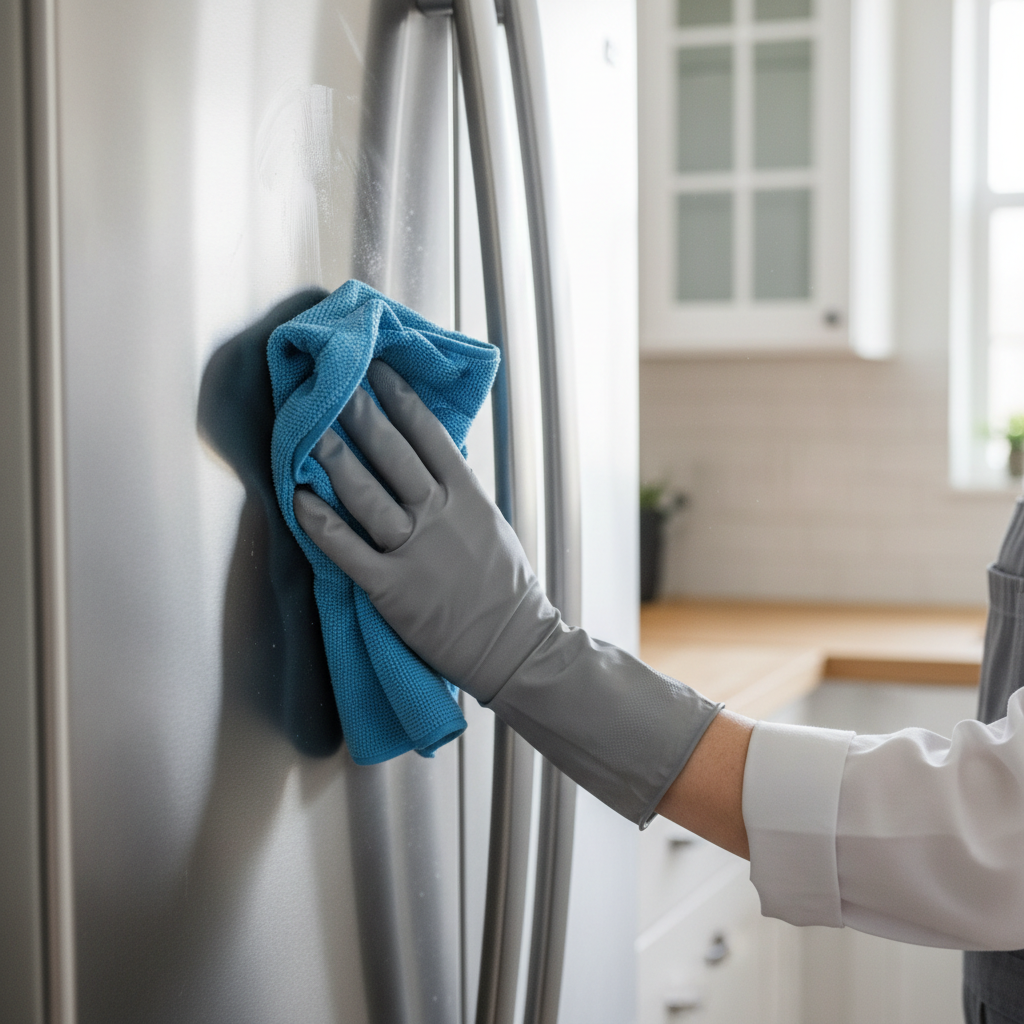
In the professional cleaning industry, the sequence of operations is non-negotiable: always dust before you vacuum. This rule relies on simple physics. When you agitate surfaces, gravity pulls a significant portion of those particles downward. If you vacuum your floors first, the debris dislodged from ceiling fans, bookshelves, and mantels will simply resettle on your clean carpets, forcing you to repeat your work. This top to bottom approach is the most efficient way to combat the problem of why is my house so dusty Utah residents frequently encounter.
In Utah’s arid climate, where humidity levels often hover near 10 percent, dry dusting is largely ineffective. Feather dusters or dry rags tend to flick lightweight silt back into the air rather than removing it. Instead, use a slightly damp microfiber cloth to physically trap and hold the grit. By starting at the highest point in a room and finishing with the baseboards, you ensure all stray particles are directed toward the floor where a HEPA vacuum can finally extract them. For those overwhelmed by the constant accumulation, scheduling professional residential and commercial cleaning services ensures this systematic removal happens consistently across every surface in your home.
When Professional Cleaning is the Only Solution

Even with a perfect sequence and high quality microfiber cloths, the sheer volume of Great Basin silt can be overwhelming for a typical household schedule. If you are still left wondering why is my house so dusty Utah after hours of scrubbing, it is often because residential tools have hit their physical limit. The fine particulate matter common in Nephi, Lehi, and Eagle Mountain frequently requires industrial grade extraction that standard upright vacuums simply cannot provide.
Juab Cleaning specializes in resetting your home's baseline through professional residential and commercial cleaning services. We utilize advanced techniques and eco friendly products to physically lift bonded dust from surfaces, targeting hidden reservoirs like high ledges and deep carpet fibers that weekly routines often miss. This comprehensive deep clean removes the heavy environmental load, making your daily maintenance much more effective and less time consuming. To restore your home to a truly pristine state and breathe easier, contact Juab Cleaning today for a customized plan tailored to your property.
Maintaining a dust free home in Utah is a constant battle against the dry climate and desert winds. By following these room by room tips, you can significantly improve your indoor air quality and reduce allergens. If you want expert help managing these chores so you can enjoy your free time, our team is ready to assist. You can read more About our local cleaning standards to see how we help neighbors maintain pristine and healthy living spaces.