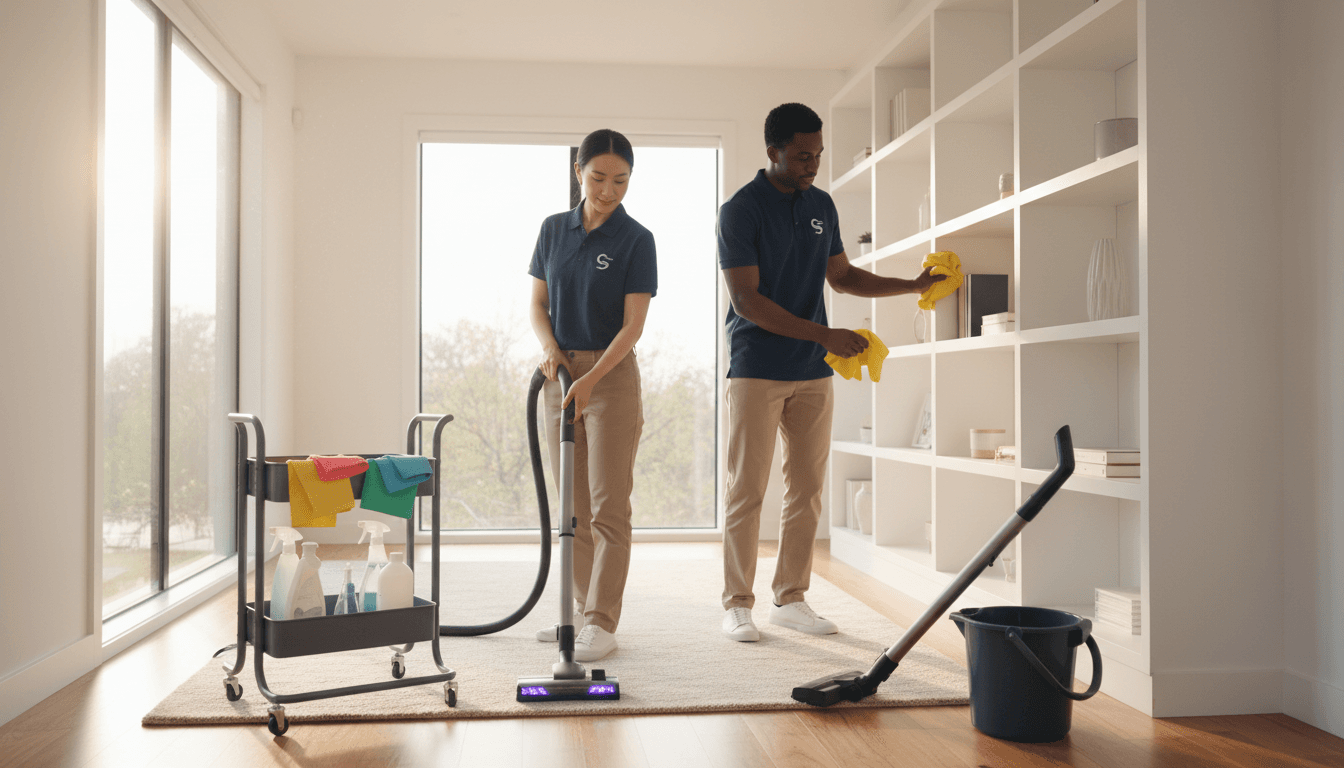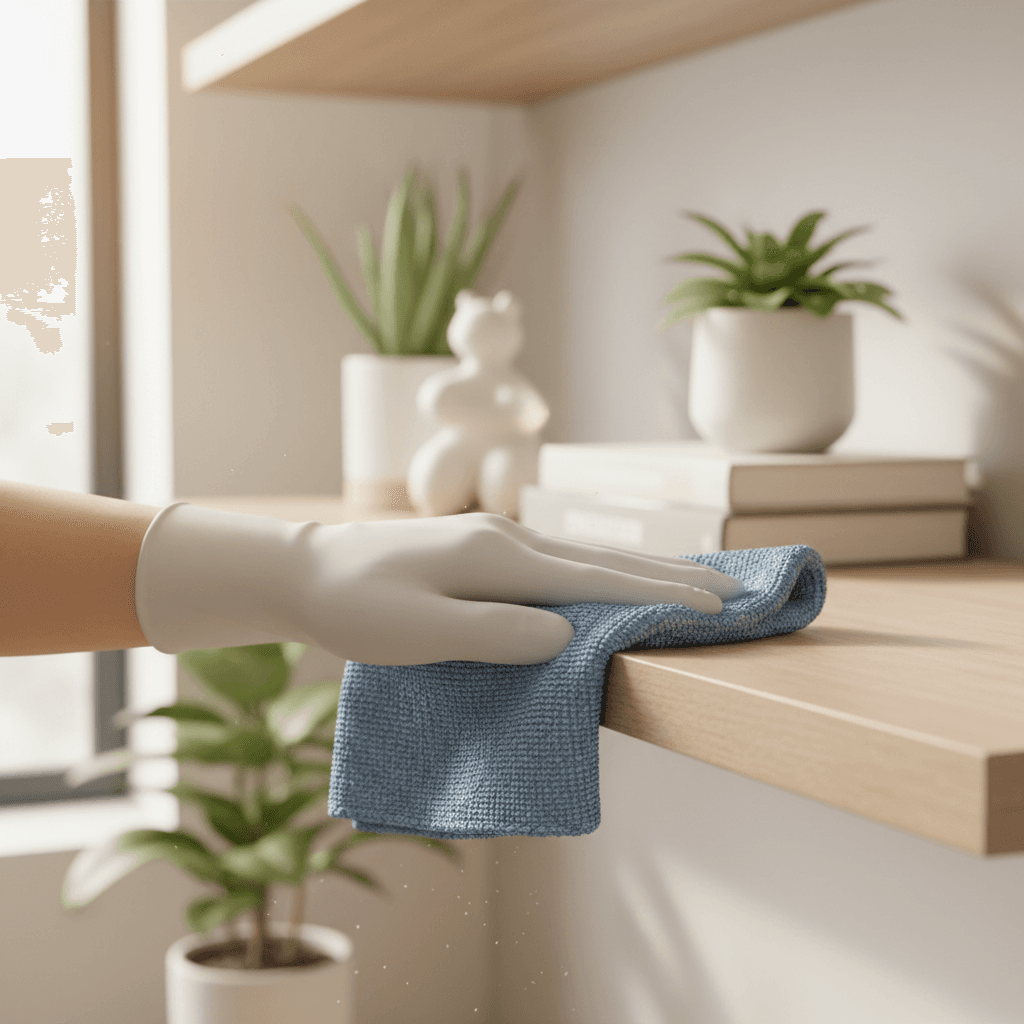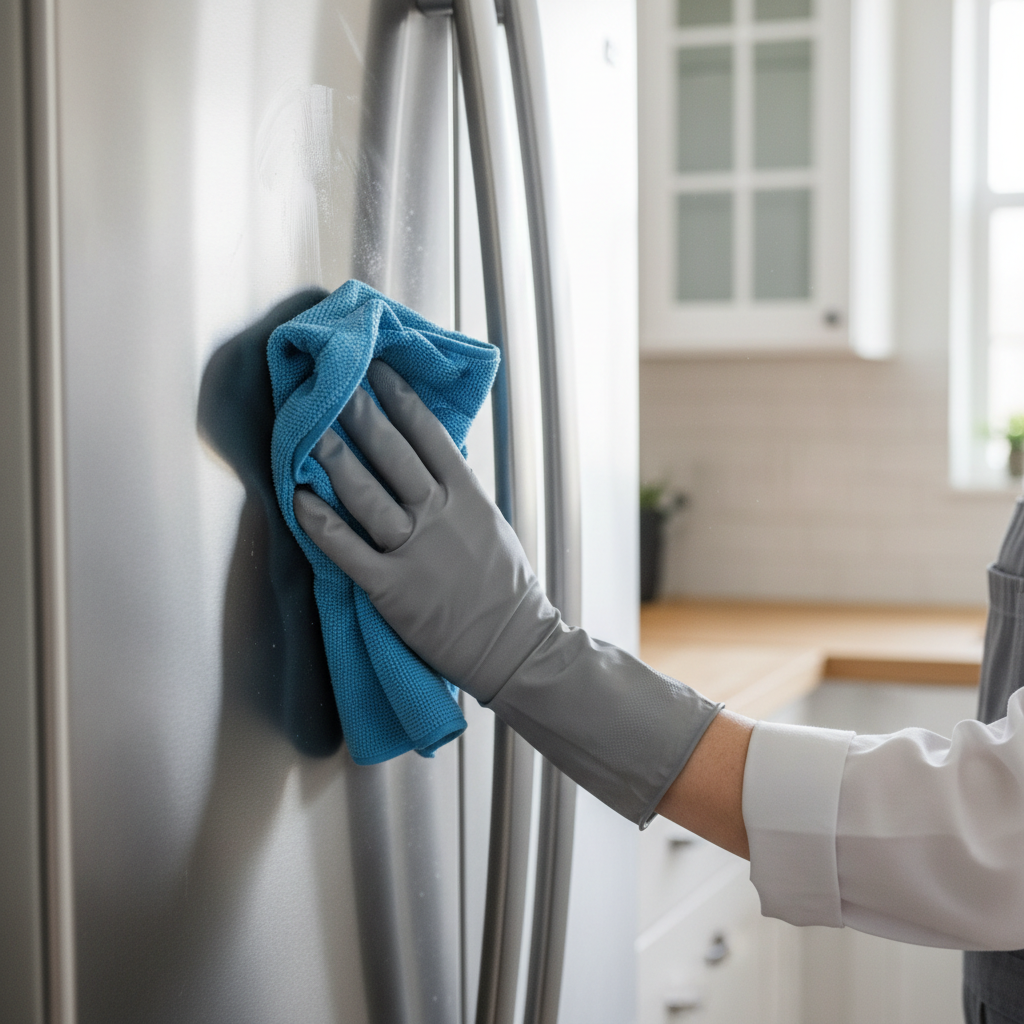
Homeowners should plan how often to deep clean a house based on their specific needs, though most professionals recommend a thorough cleaning every three to six months. A twice yearly schedule during the spring and fall is often sufficient for maintaining a healthy home; however, families with pets or allergies may require more frequent sessions. This regular maintenance ensures that every surface, from ceiling fans to window tracks, remains free of accumulated grime and dust.
Most homeowners find themselves trapped in a cycle of surface cleaning that never quite reaches the underlying grit, leaving their living spaces feeling slightly less than perfect despite hours of effort. In the unique climate of the Wasatch Front, factors like pervasive desert dust and high mineral content in the water supply make routine maintenance a specialized task. A professional deep clean is not just about aesthetics; it is a vital preservation step for your finishes, air quality, and overall peace of mind. This guide breaks down exactly how often you should schedule comprehensive cleaning services to combat Utah's specific environmental stressors. We will cover the impact of local hard water, strategies for managing seasonal allergies, and a practical room by room schedule to ensure your home remains a pristine sanctuary throughout every season.
The Short Answer: How Often to Deep Clean Your Utah Home
Determining how often to deep clean a house depends largely on your geography. While the standard national recommendation for professional cleaning is once every six months, homes across the Wasatch Front and Juab County require a more rigorous schedule. Due to the unique combination of fine desert silt and aggressive hard water, most Utah residences should undergo a professional deep clean every three to four months.
It is vital to distinguish between a routine surface clean and a true deep clean. A surface clean involves the maintenance tasks you likely perform weekly, such as vacuuming traffic lanes, wiping down countertops, and cleaning mirrors. In contrast, a deep clean addresses the accumulated grime that daily chores miss. This includes scrubbing tile grout, sanitizing the interior of the oven, clearing sediment from window tracks, and removing dust from baseboards and ceiling fan blades.
For homeowners seeking professional residential and commercial cleaning services, these quarterly sessions prevent environmental factors from causing permanent damage. By adhering to a three to four month cycle, you ensure that the silt and mineral deposits common in our region do not become baked into your home's finishes. This proactive approach makes your weekly maintenance significantly easier and protects your property value over time.
Utah County Environmental Factors That Influence Cleaning Frequency
While national standards provide a general baseline, residents of the Wasatch Front and Juab County face unique geographical challenges that accelerate grime accumulation. Three specific environmental factors dictate how often to deep clean a house in our region: the arid climate, the composition of the local water supply, and the volatility of our seasonal transitions.
Utah's high-desert environment produces a fine, silty dust that differs significantly from the organic dust found in more humid climates. Because our air is so dry, these particles remain suspended longer and easily infiltrate HVAC systems, settling into window tracks and behind appliances. In areas like Nephi and Santaquin, wind-blown sediment from nearby agricultural lands and desert flats creates a rapid buildup that requires deep extraction methods, such as HEPA vacuuming and detailed damp-wiping, to fully remove. This silt is abrasive and, if left for six months, can begin to wear down carpet fibers and wood finishes.
The high mineral content in the local water supply is the second major factor. Utah water is notoriously hard, containing high concentrations of calcium and magnesium. When this water evaporates on surfaces, it leaves behind a stubborn alkaline scale. Over a few months, this buildup hardens into a crust that regular household cleaners cannot dissolve. A professional deep clean utilizes specialized solutions to break down these deposits before they permanently etch glass shower doors or corrode expensive plumbing fixtures.
Finally, the intensity of our seasonal shifts contributes to indoor debris. The sharp transition from winter snow to spring blossoms brings a heavy influx of pollen, while the dry autumn winds carry fine particulates into the home. These cyclical events mean that a standard six-month cleaning schedule often leaves a home vulnerable to excessive allergen and sediment buildup. Utilizing customized cleaning plans helps address these peaks in environmental pressure. If you are noticing a faster accumulation of grit on your surfaces, contact Juab Cleaning to establish a maintenance schedule tailored to these local conditions.
Managing Hard Water Buildup in Kitchens and Bathrooms
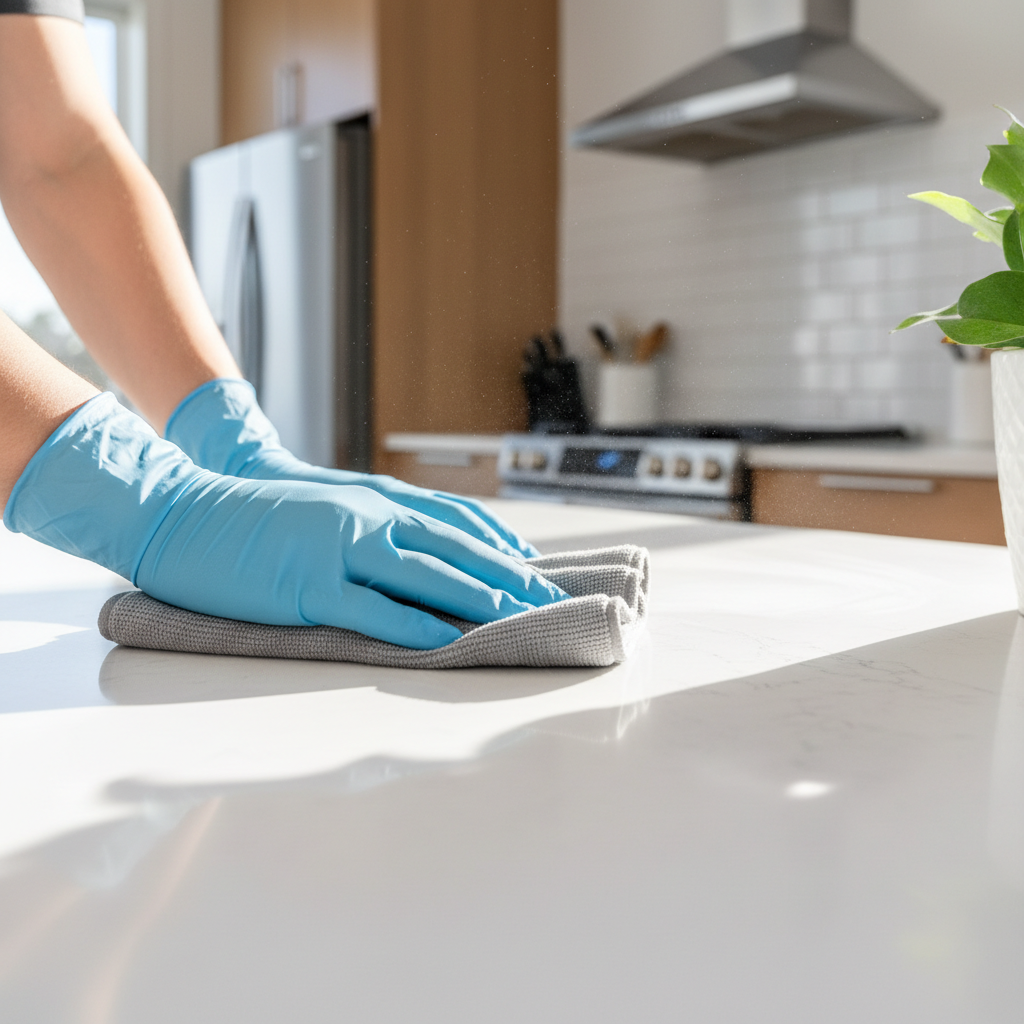
Managing these mineral deposits requires a strategic approach beyond standard spray and wipe methods. In homes from Provo down through Nephi, the sheer concentration of calcium and magnesium in the water supply means that faucets and showerheads can become encrusted with white, chalky scale in just a matter of weeks. When these minerals settle on glass shower doors, they create a cloudy film that, if left untreated, can lead to permanent chemical etching of the glass. Similarly, porous tile grout absorbs mineral rich water, resulting in stubborn orange or gray staining that a standard mop cannot lift.
To protect your fixtures and finishes, we recommend a professional grade deep clean every three months. This frequency is essential because mineral buildup acts like a magnet for soap scum and bacteria, creating a layered grime that hardens over time. During these quarterly sessions, specialized acidic cleaners and non abrasive scrubbing tools are used to dissolve the bond between the minerals and your surfaces. This proactive schedule addresses areas often overlooked during routine maintenance, such as the underside of kitchen faucets and the tracks of sliding shower doors. By prioritizing these customized cleaning plans every 90 days, you prevent the need for costly fixture replacements and keep your kitchen and bathrooms in showroom condition. Understanding how often to deep clean a house in Utah is largely about staying ahead of this persistent mineral accumulation.
Combatting the Desert Dust of the Wasatch Front
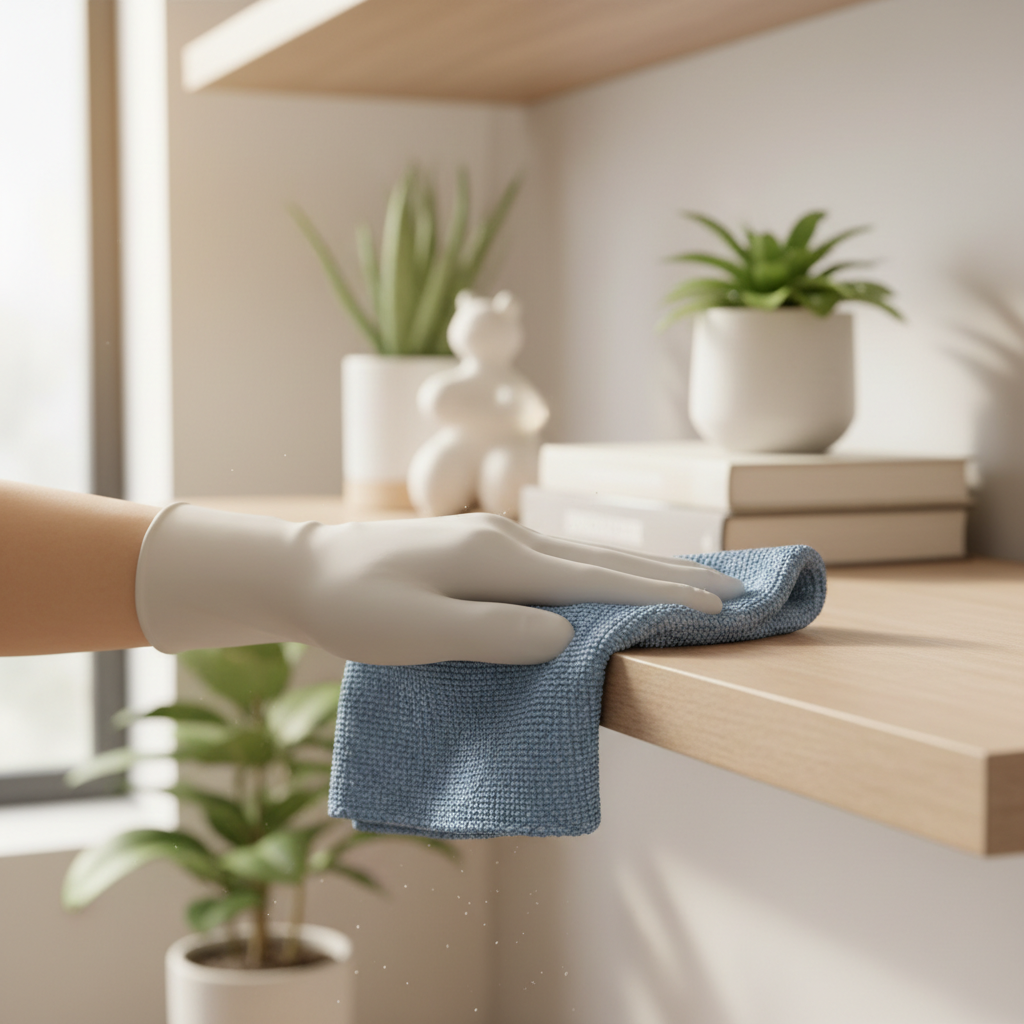
Living in the high-desert climate of the Wasatch Front means dealing with a specific type of airborne particulate: fine mineral silt. Unlike organic household dust found in more humid regions, this silt is driven by canyon winds and settles into the most inaccessible areas of a home. You will often find thick layers of this sediment accumulating in window tracks, along the crevices of baseboards, and across the hidden tops of kitchen cabinets.
The extreme aridity of Utah's climate introduces a secondary challenge: static electricity. In low humidity, surfaces become electrostatically charged, causing fine dust to cling stubbornly rather than simply resting. A standard feather duster often just redistributes these particles back into the air. Effective removal requires deep cleaning techniques such as detailed damp-wiping with microfiber and the use of HEPA-filtered vacuums to trap microscopic silt.
To manage this constant influx, we recommend these specialized treatments every quarter. Frequent intervention prevents the silt from scratching delicate surfaces or becoming embedded in textiles. If you find your home feels gritty despite regular vacuuming, contact Juab Cleaning to discuss how our customized cleaning plans address these environmental realities. Understanding how often to deep clean a house in this region requires accounting for this persistent desert infiltration.
Deep Cleaning Frequency for Allergy Relief in Utah
Utah’s high-altitude environment exacerbates respiratory issues, making indoor air quality a health priority rather than just a cosmetic concern. Residents often search for the best ways to clean a dusty house, especially when the spring tree pollen or fall weed cycles hit their peak. In these seasons, the fine particulate matter from the Wasatch Front settles deep into home textiles, acting as a persistent irritant for those with asthma or seasonal allergies.
For households dealing with respiratory sensitivities, we recommend adjusting the schedule for how often to deep clean a house to every two to three months. This accelerated frequency targets the reservoirs where allergens hide. While routine vacuuming helps, it often fails to reach the silt and pollen trapped in upholstery fibers and heavy window curtains. These materials act as secondary air filters, capturing microscopic debris that standard weekly cleaning misses.
A professional deep clean should focus heavily on these dead zones, including the areas behind large furniture and inside air vents where stagnant air allows dust to accumulate undisturbed. Juab Cleaning provides professional residential and commercial cleaning services that utilize HEPA filtration and damp-extraction methods to ensure these particles are removed rather than redistributed. By scheduling these customized cleaning plans on a quarterly basis, you create a controlled environment that significantly reduces the allergen load during Utah’s most volatile seasonal shifts. If you find your current routine isn't providing enough relief, contact Juab Cleaning to establish a targeted sanitization schedule.
A Room by Room Deep Cleaning Frequency Guide
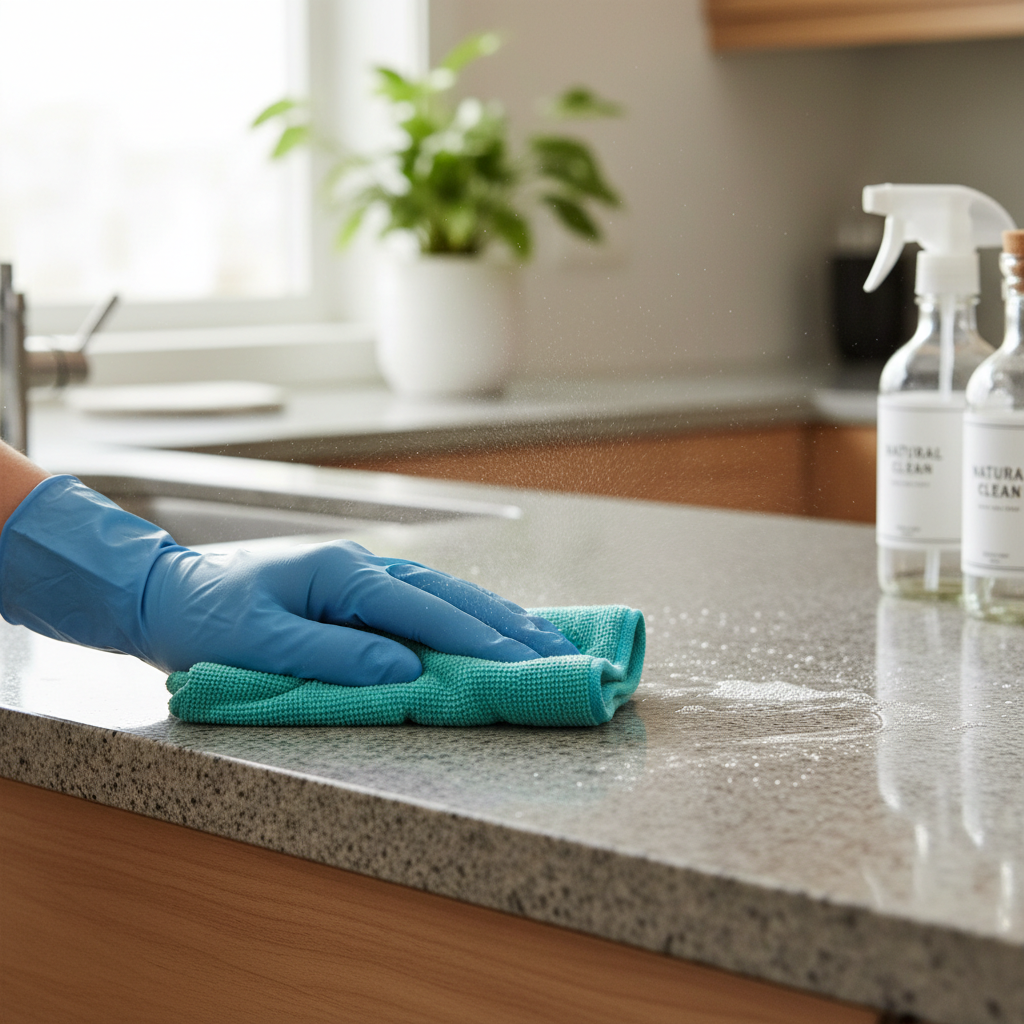
To maintain a home effectively along the Wasatch Front, homeowners should adopt a staggered schedule that addresses high-traffic zones and environmental accumulation points at different intervals. Establishing a baseline through these customized cleaning plans ensures that weekly maintenance remains a quick touch-up rather than a grueling chore.
Room Type | Recommended Frequency | Utah-Specific Focus Areas |
|---|---|---|
Kitchen | Every 3 Months | Degreasing range hoods (where silt sticks to oil); cleaning behind the refrigerator; descaling sink sprayers. |
Bathrooms | Every 3 Months | Scrubbing grout lines; removing calcium deposits from faucets; detailing exhaust fan covers. |
Living Areas | Every 4 Months | Clearing silt from window tracks; HEPA vacuuming upholstery; sanitizing air intake vents. |
Bedrooms | Every 6 Months | Vacuuming under large furniture; detailing baseboards; cleaning closet floors and organization systems. |
In the kitchen, the combination of cooking oils and fine desert dust creates a sticky film that standard wipes cannot fully remove. A deep clean every 90 days should include pulling out the refrigerator to vacuum the coils, as Utah silt can settle there and decrease appliance efficiency. Similarly, the hard water prevalent in Juab County necessitates a quarterly focus on bathroom fixtures to dissolve mineral scale before it becomes permanent.
Living areas require attention every four months to manage the dust driven by canyon winds. This cycle should prioritize window tracks and the crevices of upholstered furniture, where static electricity traps fine particulates. Bedrooms can typically follow a six month cycle, provided you focus on the often-ignored areas like the space behind headboards and the corners of walk-in closets. If you find your home is accumulating grit faster than your schedule allows, you can contact Juab Cleaning to adjust your professional residential and commercial cleaning services to better fit your home’s specific environmental load. Knowing how often to deep clean a house is ultimately about understanding the pace at which the Utah landscape moves indoors.
Maintaining a clean home in Utah requires a consistent schedule to handle our unique seasonal dust and debris. While regular tidying keeps things organized, a deep clean every few months ensures a healthy environment for your family. If you want expert help managing these intensive tasks, our team is happy to step in and handle the details. To learn more, you can visit our About page to understand our local cleaning philosophy and commitment to quality. We are here to make your home shine, allowing you more time to enjoy the beautiful Utah outdoors.